New umbilical slurry spreading solutions reduce the load on the soil
arrow_backTo the overview06 November 2026 | VOGELSANG
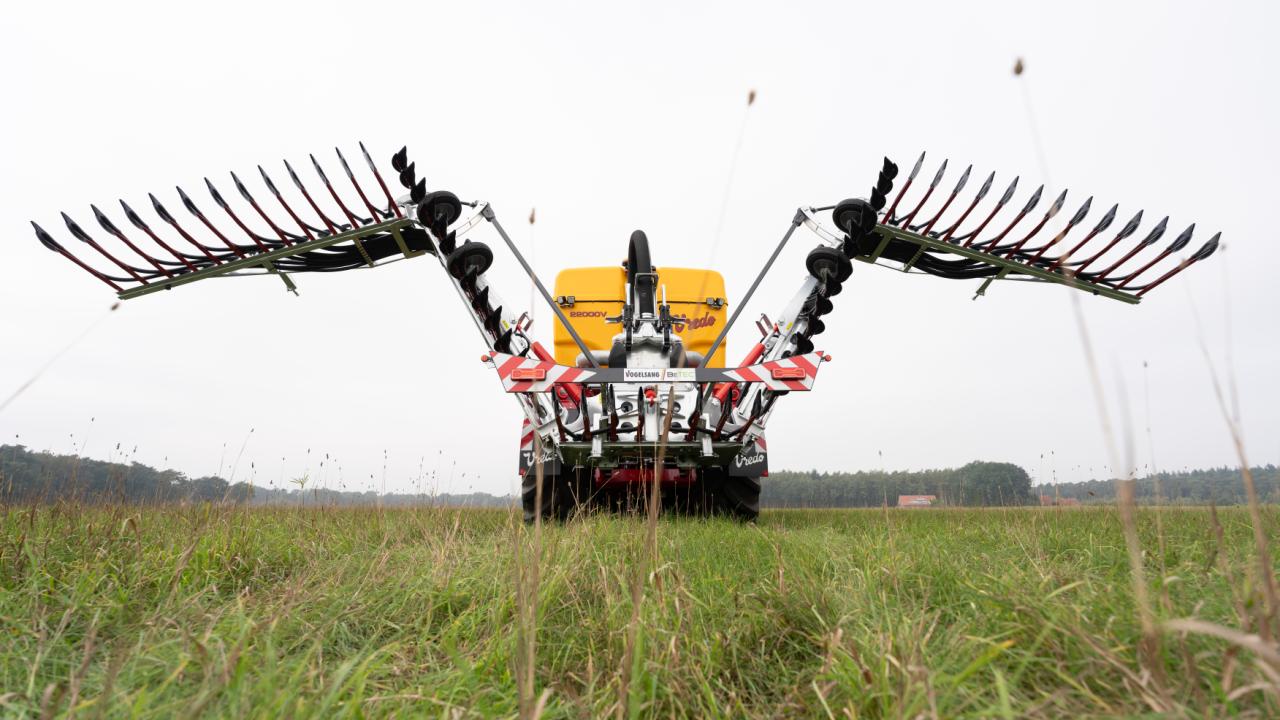
Farmers and contractors now have more options for spreading slurry without taking a heavy tanker onto the field. The expanded Vogelsang-BeTEC range makes it easier to choose a solution that matches the farm’s working width and capacity requirements while reducing the load on the soil.
A full slurry tanker can leave a mark that goes deeper than the visible wheel tracks. Pressure from heavy machinery can restrict root growth and the movement of water and air through the soil. For farmers, protecting soil structure therefore also means protecting the field’s yield potential.
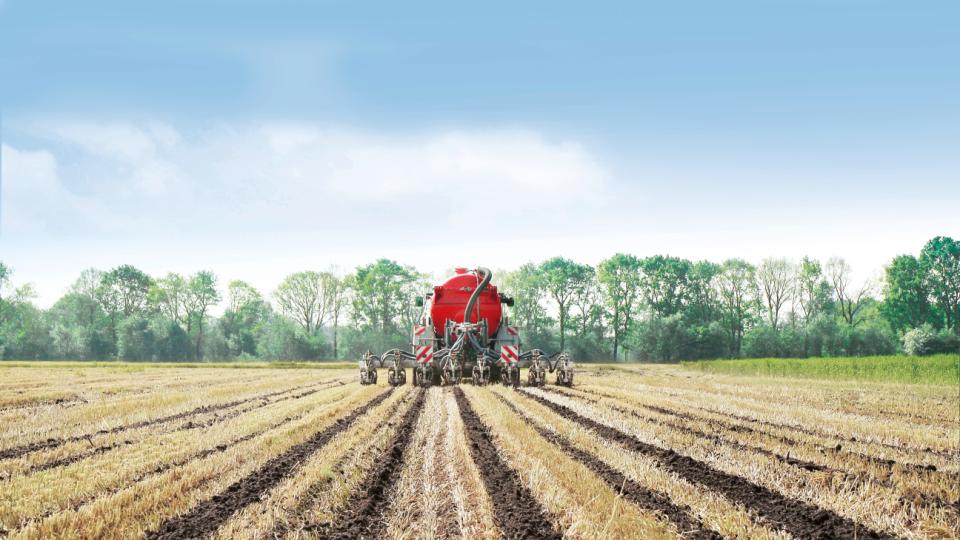
With umbilical spreading, also known as a drag hose system, slurry is pumped from a storage tank or a container at the field edge through a supply hose to an applicator mounted on the tractor. This removes the need to take the slurry tanker across the field.
Fewer heavy loads across the field
Reducing the load is particularly relevant when the soil’s load-bearing capacity is limited. The aim is to protect soil structure and growing conditions for the crops.
A continuous slurry supply can also mean fewer interruptions. The tractor carrying the applicator does not have to leave the field to collect the next load. For contractors, this creates an opportunity to spend more of their working time spreading, provided the supply system is sized to meet the demand.
“For farmers, it is about spreading slurry efficiently while looking after the soil. With more options for umbilical spreading, we can tailor the solution to the farm’s fields, machinery and capacity requirements,” says Niels Agerbo, Managing Director of Vogelsang A/S.
More choice across working widths
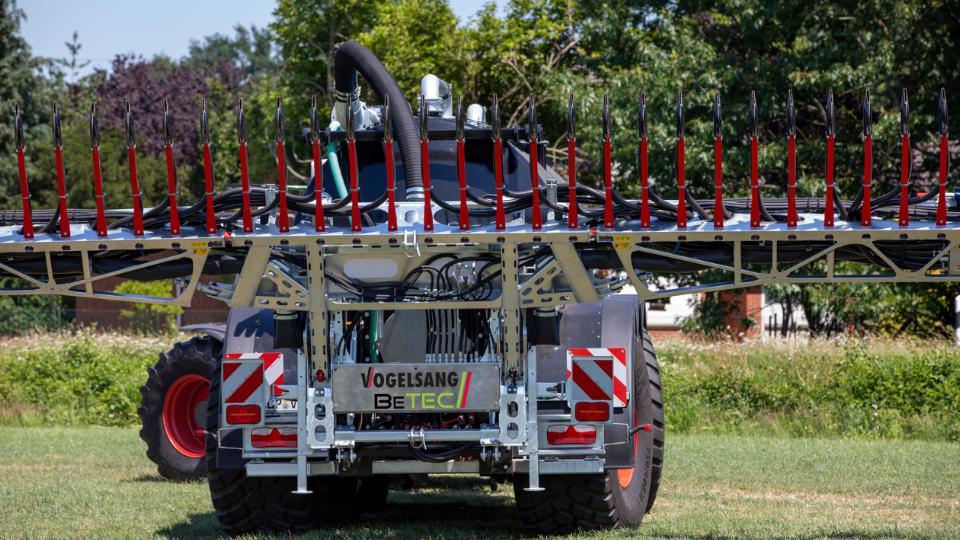
The expanded Vogelsang-BeTEC range offers umbilical spreading options for farms of different sizes. Stylo trailing shoe applicators cover working widths from 6 to 9 metres, while Hilly trailing shoe applicators cover 10.5 to 12 metres. Cameleon trailing shoe applicators are available from 12 to 30 metres and can also be configured for umbilical spreading.
For wider working widths, the range also includes the BackPac dribble bar from 21 to 32 metres and the BackPac Slide trailing shoe applicator from 21 to 30 metres. The latter parts the crop and places slurry in narrow bands beneath the plants. This limits contact between the slurry and the crop and supports efficient nutrient use.
For farmers, this makes it possible to choose a working width to suit field sizes and the farm’s tramline system. The choice between dribble bars and trailing shoes also depends on the crop and the desired slurry placement.
Capacity must be matched from pump to applicator
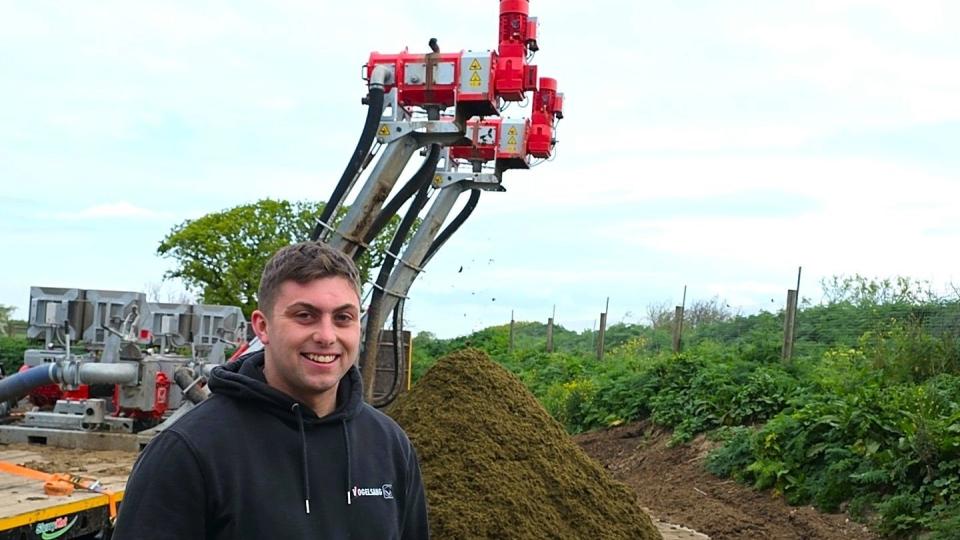
At Pancross Farm in Wales, two 24-metre BackPac trailing shoe applicators form part of a system with around eight kilometres of underground pipework. According to Vogelsang’s case study, the system can transport 150–180 m³ of slurry per hour over distances of more than 1.5 kilometres. Here, slurry is separated before spreading to achieve a dry matter content below three per cent.
The example highlights the importance of planning the entire supply system. Pump capacity, hose dimensions, distances and slurry characteristics all affect the capacity that can be achieved. The time needed to lay out and move hoses must also be included when assessing labour requirements and costs.
For farmers and contractors, the investment must be assessed in terms of both seasonal operations and soil structure. When the supply system, applicator and field conditions are well matched, umbilical spreading can combine a lower soil load with high capacity and precise slurry placement.


This article is written by:
VOGELSANG
Vogelsang – Leading in Technology
Vogelsang is a German engineering company with 25 subsidiaries and a global network of distributors. We develop and supply technology solutions for demanding processes in agriculture, biogas, industry, wastewater and transport.
Our product portfolio includes pumps, industrial shredders, macerators, separators, and spreading and distribution systems. Whether the task is pumping viscous media, handling solids or ensuring even distribution, the goal is the same: reliable operation, high capacity and low operating costs.
Vogelsang solutions are developed
Meet us at Agromek 2026


Responsibility for content on this site
Information, images, product descriptions, videos, certifications, sustainability claims, and other content on company profiles are uploaded and maintained by the individual exhibitors.
Exhibitors are solely responsible for ensuring that their content is accurate, properly documented, and legally compliant, including compliance with applicable regulations concerning marketing, sustainability claims, and intellectual property rights.
MCH A/S solely provides the platform and does not, as a general rule, verify the content.