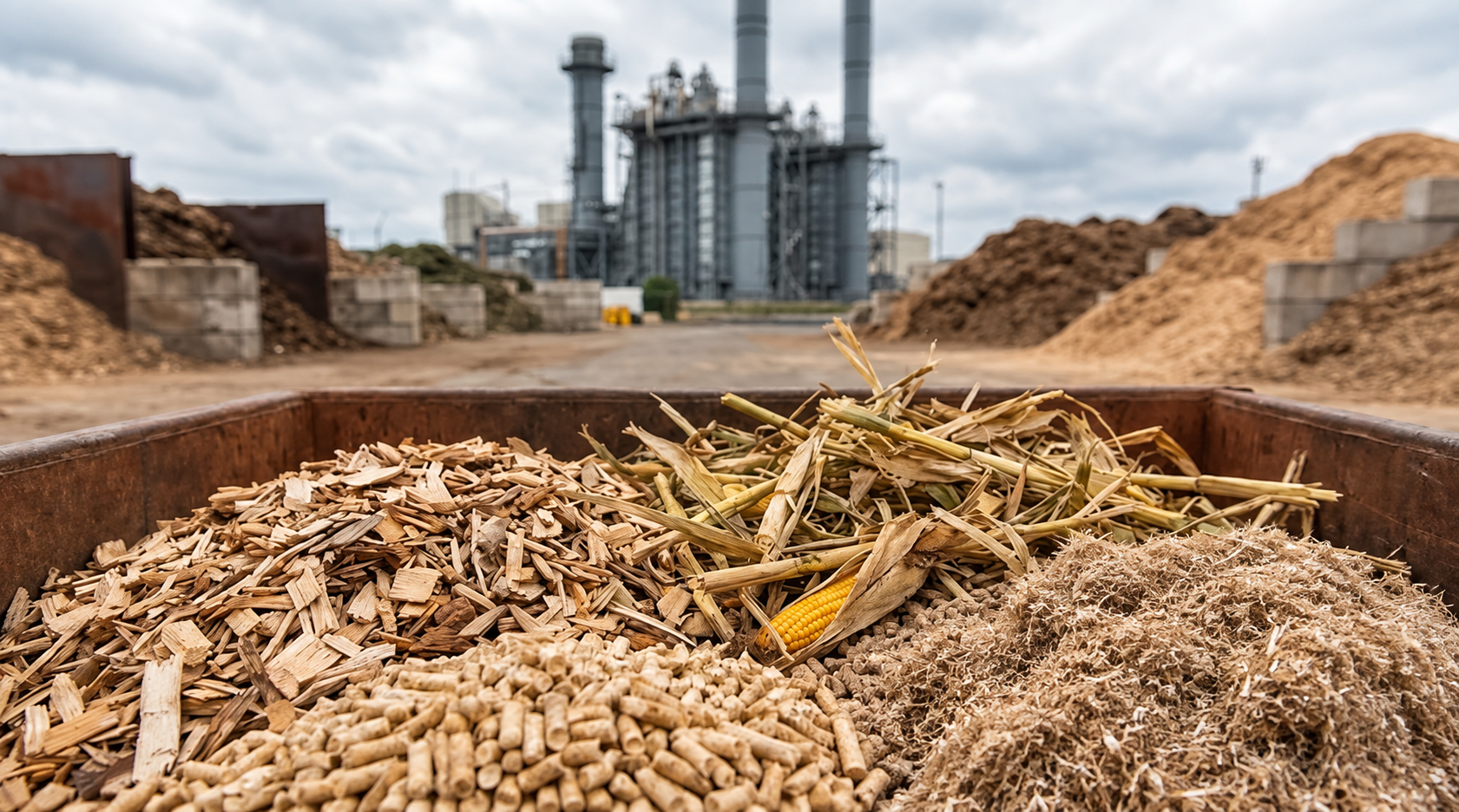
Not two biomass fuels are the same
arrow_backTo the overview28 September 2026 | Linka Energy A/S
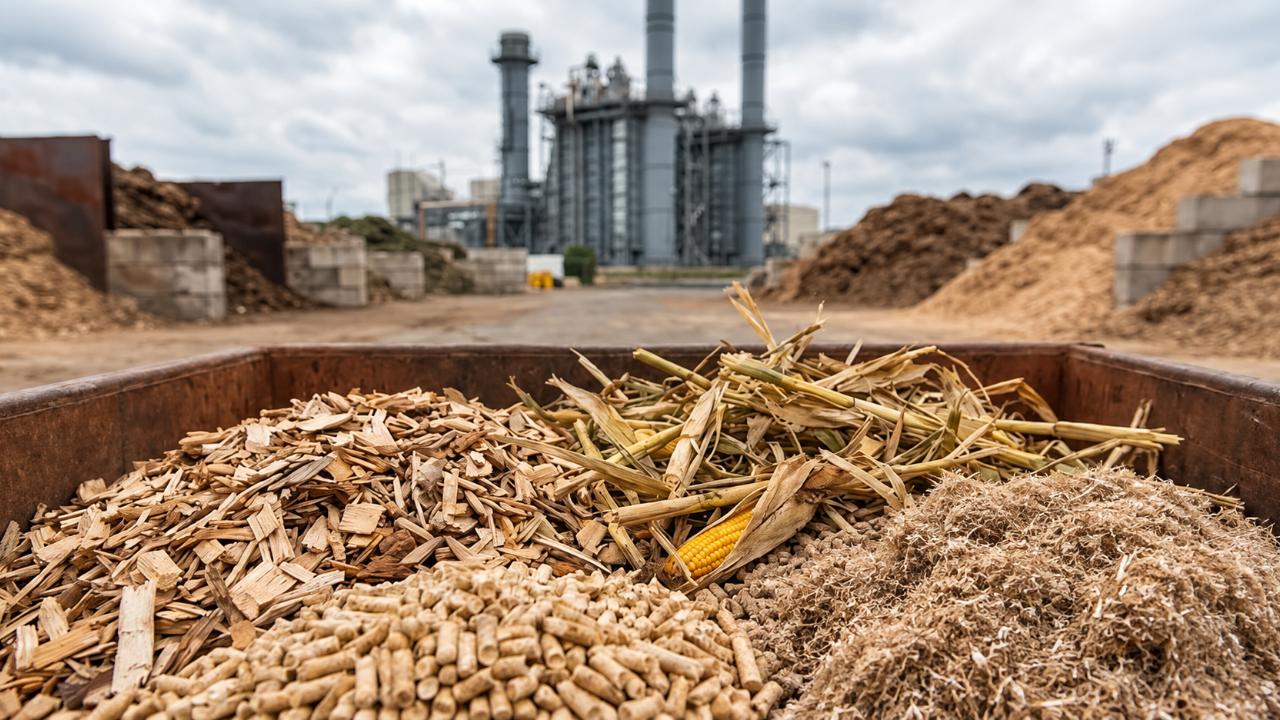
Straw, wood chips, wood pellets, manure fibres and other residual materials can all be valuable energy resources. However, different types of biomass place very different demands on handling, feeding and energy utilisation. A successful biomass solution therefore starts with the fuel.
Biomass comes in many forms. It can be dry or wet, homogeneous or variable, light or heavy – and can range from whole straw bales and wood chips to wood pellets, manure fibres and other residual materials.
These characteristics have a significant impact on how the biomass can be handled and utilised.
At Linka Energy, the development of a biomass plant therefore starts with the specific biomass, the energy requirement and the operating conditions of the individual project.
It starts with biomass handling
Before biomass can be converted into energy, it must be stored, conveyed and fed reliably.
Straw, for example, requires a different handling solution from wood chips or wood pellets. Heavy and more demanding biomass materials place different demands on equipment and construction.
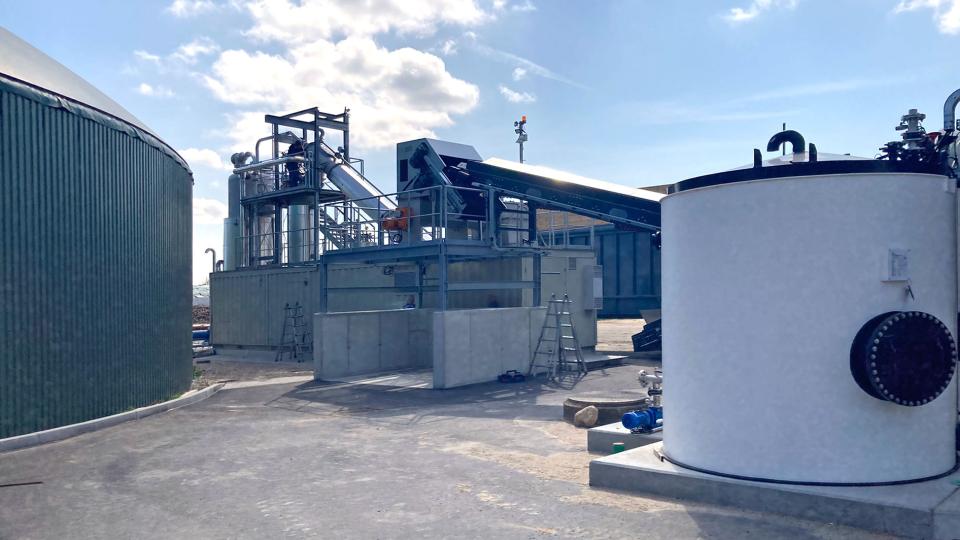
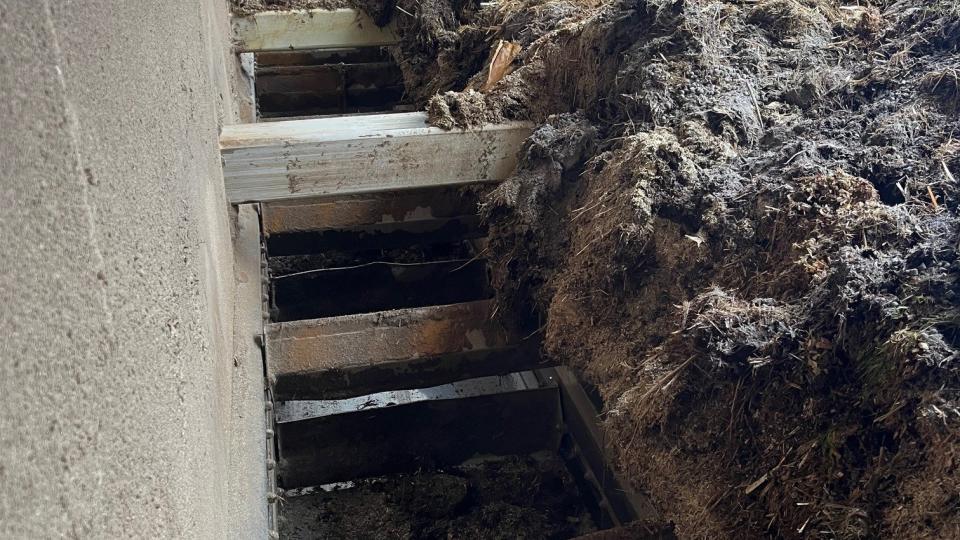
At biogas plants, reliable feedstock handling can be equally important. The Linka® Heavy-Duty Walking Floor is designed for the automatic handling of solid biomass, including manure fibres, deep litter, agricultural residues, straw and grass.
Hydraulically driven scrapers move the biomass towards the downstream conveying system, and the solution can be designed for large volumes of material and continuous operation.
Fuel and combustion must work together
When biomass is used to produce heat or process energy, the characteristics of the fuel are fundamental to the design of the plant.
Factors such as moisture content, structure, ash content and calorific value influence both fuel handling and the combustion process.
A biomass plant is therefore about more than selecting a boiler with the required capacity. The entire system – from fuel storage and feeding to combustion, energy production, flue gas handling and ash handling – must work together.
Different biomass fuels – one energy solution
For some businesses and farms, the ability to utilise more than one type of biomass can be beneficial.
A Linka® multi-fuel boiler plant can provide the flexibility to utilise different suitable biomass fuels within the same energy plant. This can offer greater flexibility when the availability of locally sourced biomass changes.
In other applications, one well-defined biomass fuel may be the natural choice.
The objective is therefore not to accommodate as many fuels as possible, but to develop a solution that matches the biomass actually available and the specific energy requirement.
Turning agricultural resources into energy
For farms, biogas plants and the agro-industry, biomass can be more than simply a material that needs to be handled.
Straw, wood chips, wood pellets and suitable residual materials can be utilised for the production of heat and process energy, while other biomass materials can be used as feedstock for biogas production.
With the right handling system and technology, locally available resources can become an active part of the energy supply.
At AGROMEK 2026, Linka Energy will focus on exactly this interaction between biomass, handling and energy production.
Meet us from 24–27 November in Hall K – Stand 8260.


This article is written by:
Linka Energy A/S
Linka Energy A/S has been producing biomass, process, and waste-based plant systems for agriculture, industry, processing, biogas, and district heating for over 45 years.
We specialize in the development and optimization of environmentally friendly forms of energy based on sustainable biomass and waste fuel facilities, which reduce CO2 emissions.
With our commitment to sustainability and cutting-edge technology, we offer a wide range of equipment and services that contribute to the advancement of the bioenergy, biogas, and bioeconomy industries.